
Our Water Story
From the twin reservoirs
to a multi-source metropolis
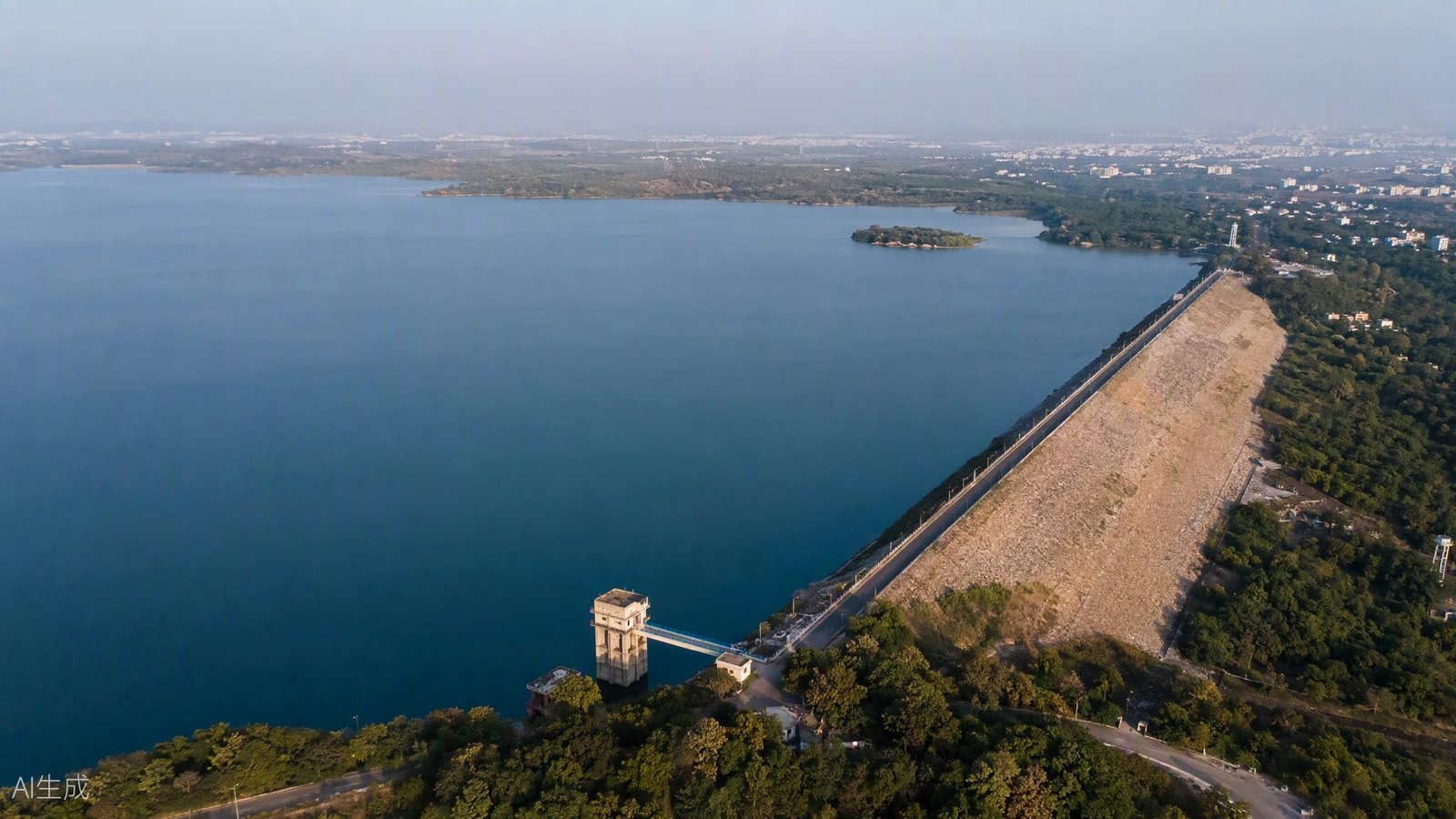
In 1989, Hyderabad depended almost entirely on Osmansagar and Himayatsagar — lakes built a century ago for a fraction of today’s city. Rapid growth, drought years and a drying Musi forced the Board to rethink where every drop comes from.
Today the Board draws on the Godavari and Krishna rivers and on the Manjira and Singur reservoirs — an integrated, resilient system serving over a crore citizens every day.
Through sustained investment in treatment, transmission and technology, HMWSSB continues to secure Hyderabad’s water future while restoring its lakes and river.

Water Network
- Network Length (approx.)15,000 KM
- Valves56,172
- Reservoirs691
- Pumps34
- Pump Houses57
- Transmission Line1,192 KM
- Source Valves1,132
More about our journey
A resilient city, through multiple sources
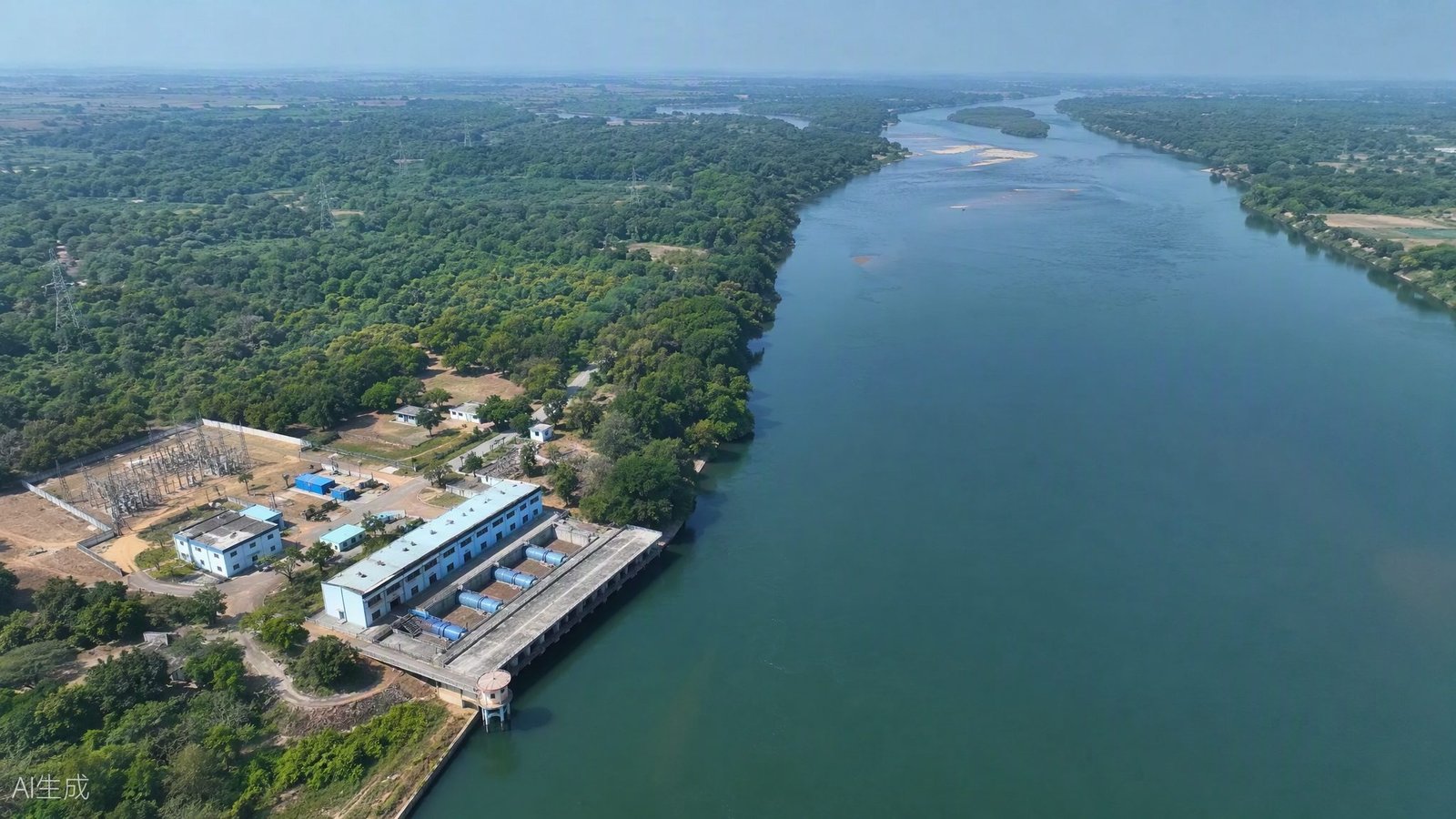
Godavari Water
The Board's long-distance source. Water drawn from the Godavari is carried across the districts to the city's reservoirs.
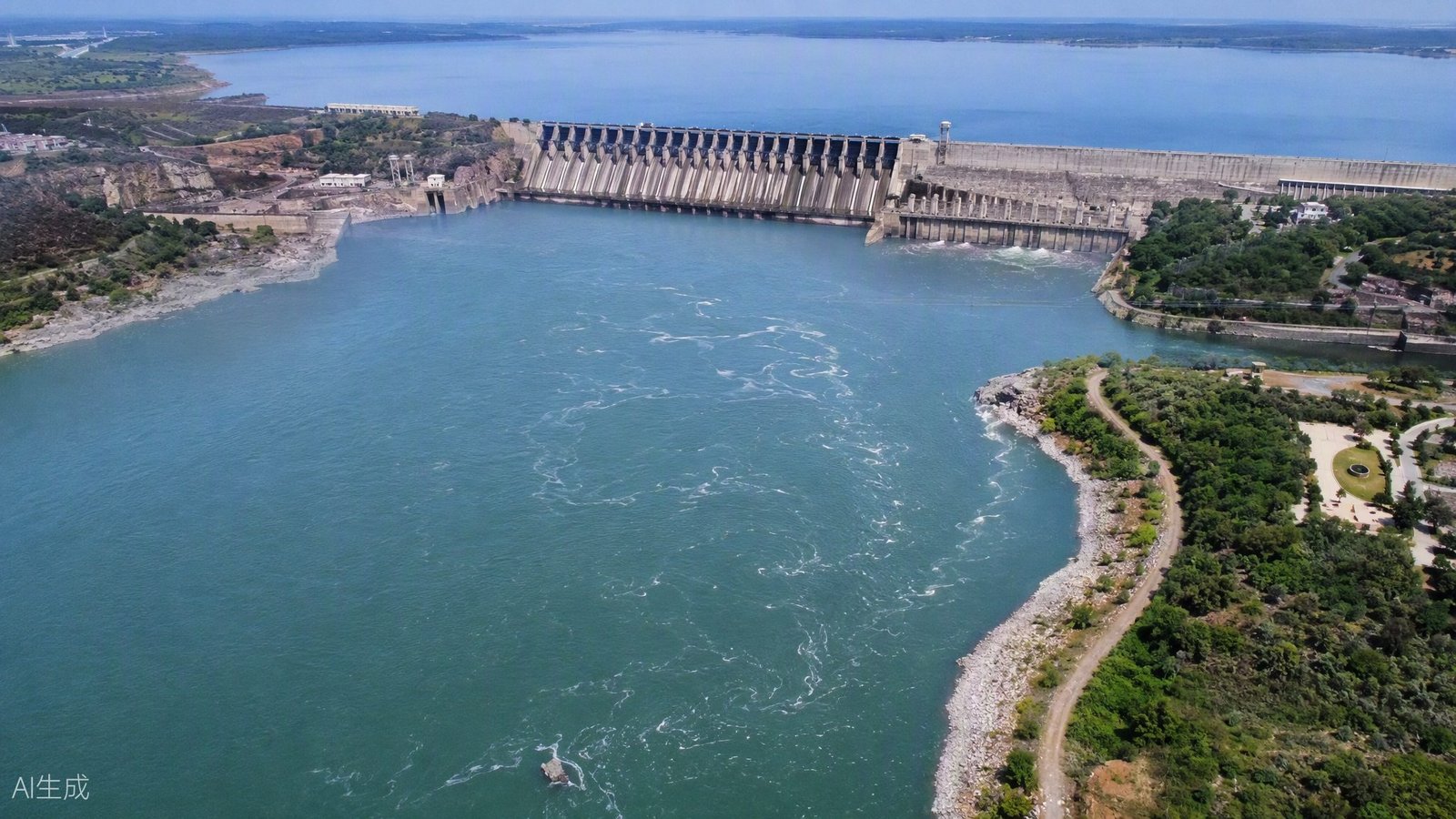
Krishna Water
Pumped over 100 km from Nagarjuna Sagar in three phases, Krishna water carries the bulk of Hyderabad's daily demand across elevated ring mains.

Manjira Water
The city's oldest working source. Water impounded on the Manjira river is treated close by and carried to the western parts of the city.
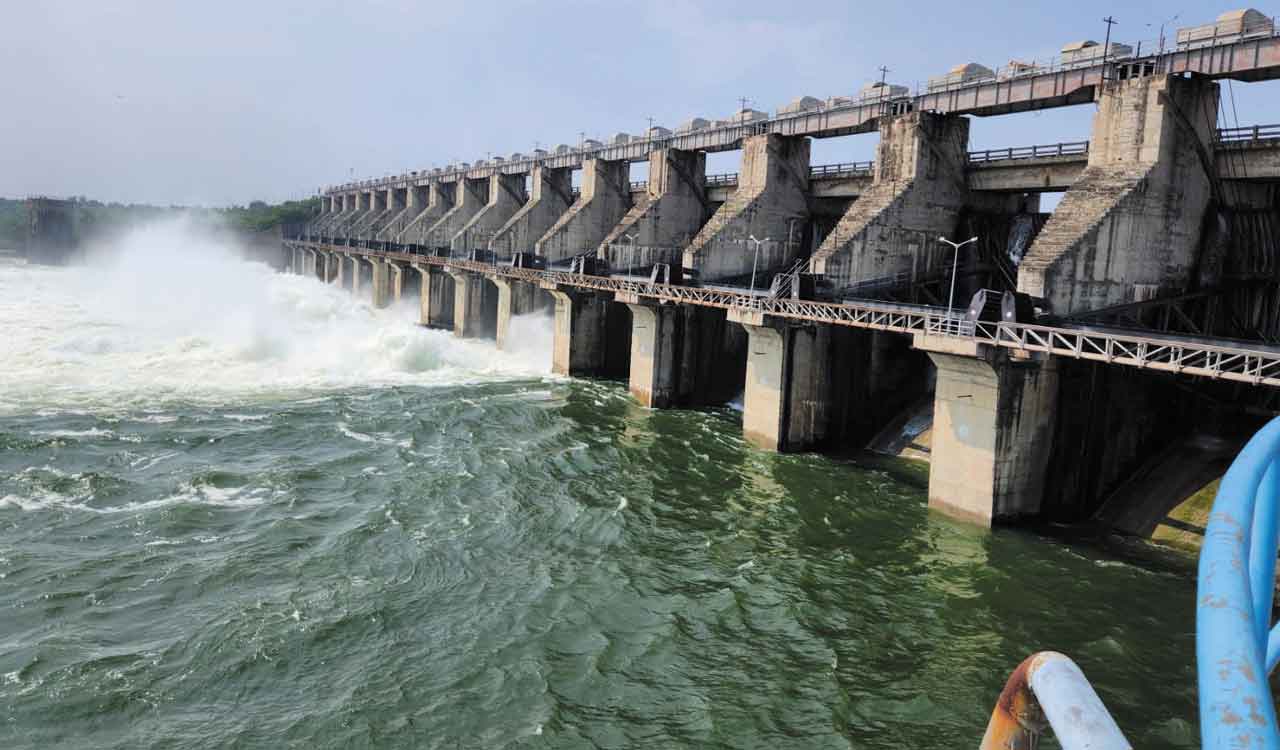
Singur Water
The reservoir upstream on the Manjira. Singur holds the monsoon flow that keeps the Manjira scheme supplying through the dry months and feeds its later phases.